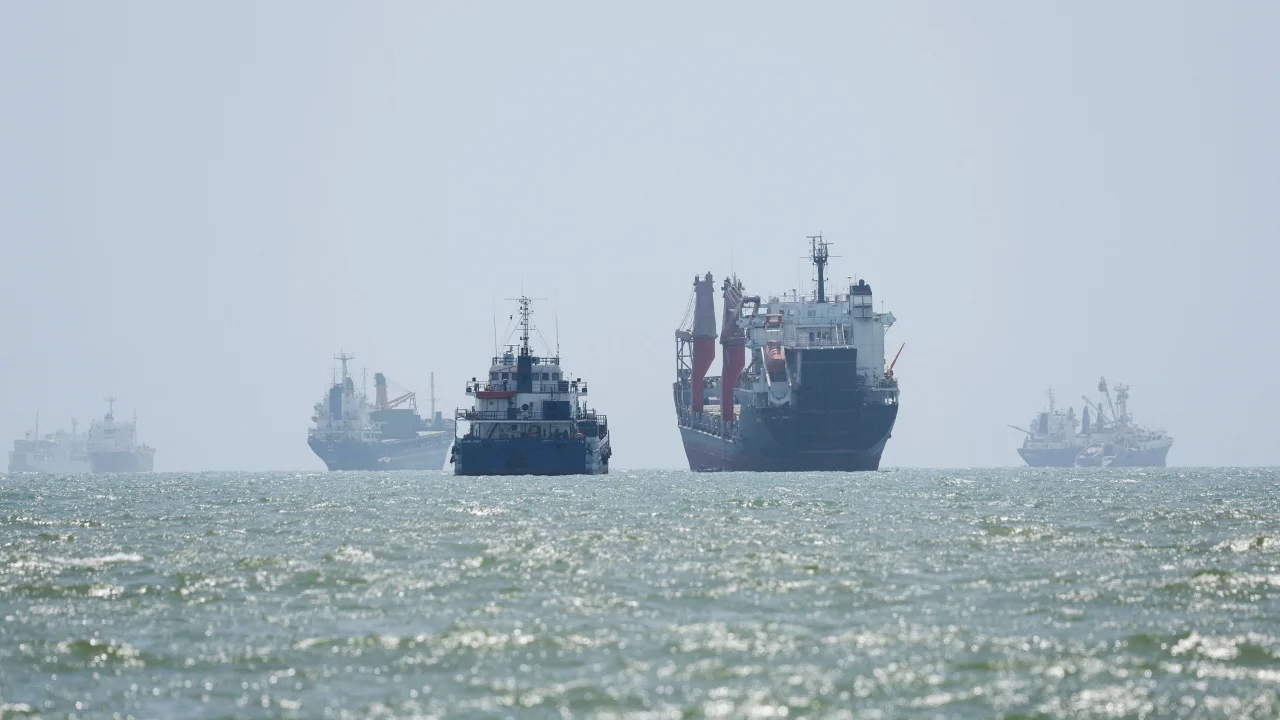
Iran and Oman outline plan for temporary Strait of Hormuz shipping lane; US rolls out sanctions
Updated 2:08 AM EDT, Wed August 26, 2026

‘There is a real danger that Iran will retaliate’ against US sanctions, says analyst
10:39
Here’s the latest
• Strait of Hormuz: Iran and Oman outlined a joint proposal to establish a temporary shipping lane and launch a demining effort in the critical waterway. Iran’s deputy foreign minister said the yet-to-be-finalized deal would see the closure of a UN-authorized shipping channel that follows the coast of Oman, and that Iran vehemently opposes
• US pressure: The US Treasury Department has begun its new campaign to tighten sanctions against Iran, targeting aviation, shipping, technology, gold and digital assets such as cryptocurrency. Even though the measures target the regime, ordinary Iranians will inevitably be affected.
• Secondary sanctions: The US is also threatening damaging new sanctions on countries that refuse to cut economic ties with Iran — but has stopped short of actually imposing big new penalties.
• China’s response: Beijing says the new measures “will only further intensify tensions” and that China’s cooperation with Iran should not be disrupted. Iran claims it is “fully prepared” to counter the sanctions.
5 Posts
46 min ago
How to make an outcast out of a pariah

By Matt Egan
Iran’s status as an economic outcast is nothing new. It’s been a pariah in the eyes of much of the world for literally decades.
Over the years, the United States has slapped Iran with countless sanctions targeting its banking system, shipping companies, oil industry and military.
That’s why Operation Economic Outcast, the highly-anticipated sanctions campaign unveiled by US officials this week, doesn’t pack as much of a punch as the Treasury Department’s “Economic D-Day” rhetoric might suggest.
Years and years of punishing sanctions have limited how much further action the United States can take.
“It’s hard to know what to make of ‘Operation Economic Outcast’ because it’s mostly just an announcement that there will be future announcements,” Justin Wolfers, economics professor at the University of Michigan, wrote in his Substack newsletter.
Read the full story here.
1 hr 31 min ago
Trump will need China for his new economic war against Iran. Good luck getting Xi on side

Analysis by Simone McCarthy

U.S. Treasury Secretary Scott Bessent speaks during a press conference in Washington, DC, on August 24. Evelyn Hockstein/Reuters
When US Treasury Secretary Scott Bessent unveiled “Operation Economic Outcast,” threatening damaging new sanctions on countries that refuse to stop doing business with Iran, he didn’t name the one country that could decide its success or failure: China.
The world’s second-largest economy has long been a critical economic lifeline for Tehran, buying up the vast majority of its oil exports – worth an estimated tens of billions in US dollars last year – in addition to other trade.
Bringing it on board with the White House’s latest effort to subdue an Iranian leadership stubbornly defiant after almost six months of war, however, is an extremely tall order.
Beijing flatly rejects what it calls “unilateral” US sanctions and has long defended its right to regular trade with partners like Iran and Russia. It also surmises that Washington would be wary of triggering a broader economic confrontation that would hurt both countries, right ahead of the US midterms.
On Tuesday, following Bessent’s press conference, China’s Foreign Ministry vowed to “take all necessary measures” to safeguard its “own legitimate rights and interests” in the face of US sanction threats.
“Economic warfare and maximum pressure will not help resolve the issue; they will only further intensify tensions and conflicts, create spillover risks, disrupt the global economic and financial order,” ministry spokesperson Lin Jian said.
Bessent’s threat also comes ahead of a highly anticipated visit by Chinese leader Xi Jinping to the US next month, where the two sides could make progress on extending a critical trade truce set to expire later this fall.
Read the full analysis here.Read more